How to Choose the Right Flooring for Your Home (A Realistic Guide)
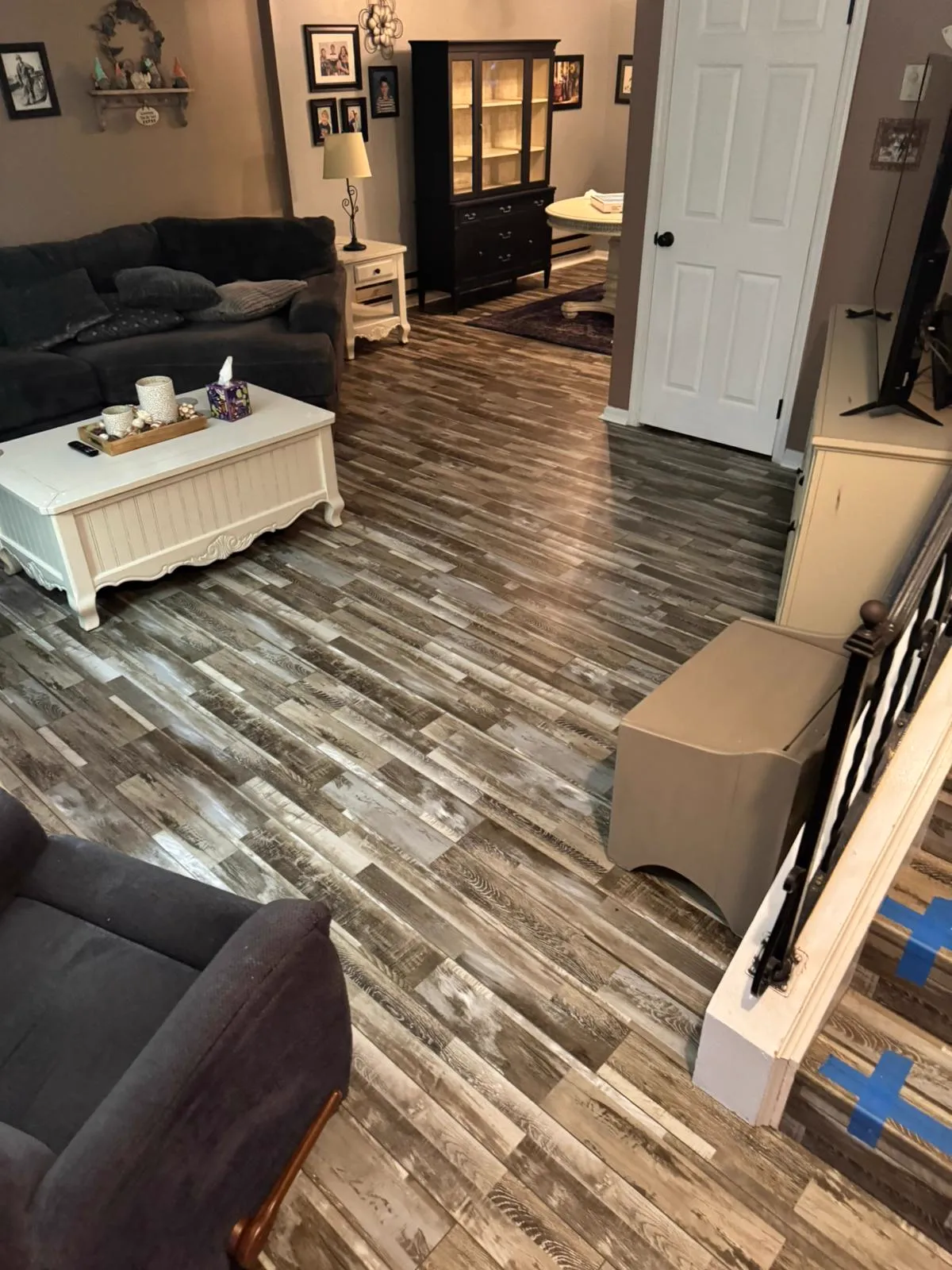
There are six common residential flooring categories (hardwood, engineered hardwood, LVP, laminate, tile, carpet) and roughly 50,000 product variations within them. The decision feels overwhelming because nobody walks you through how to actually decide. Sales reps want to sell you what's in stock. Reviews are contradictory. Pinterest just shows you photos.
Here's a real decision framework. Use it room by room.
Start with the room, not the floor
The most common mistake homeowners make is picking a floor they like aesthetically, then trying to install it where it doesn't belong. The right approach is the reverse: identify what each room needs, then choose from the floors that fit.
For each room, answer four questions:
- Is it wet or dry?
- How much foot traffic?
- What's the subfloor situation?
- What's the long-term plan for this space?
Room-by-room recommendations
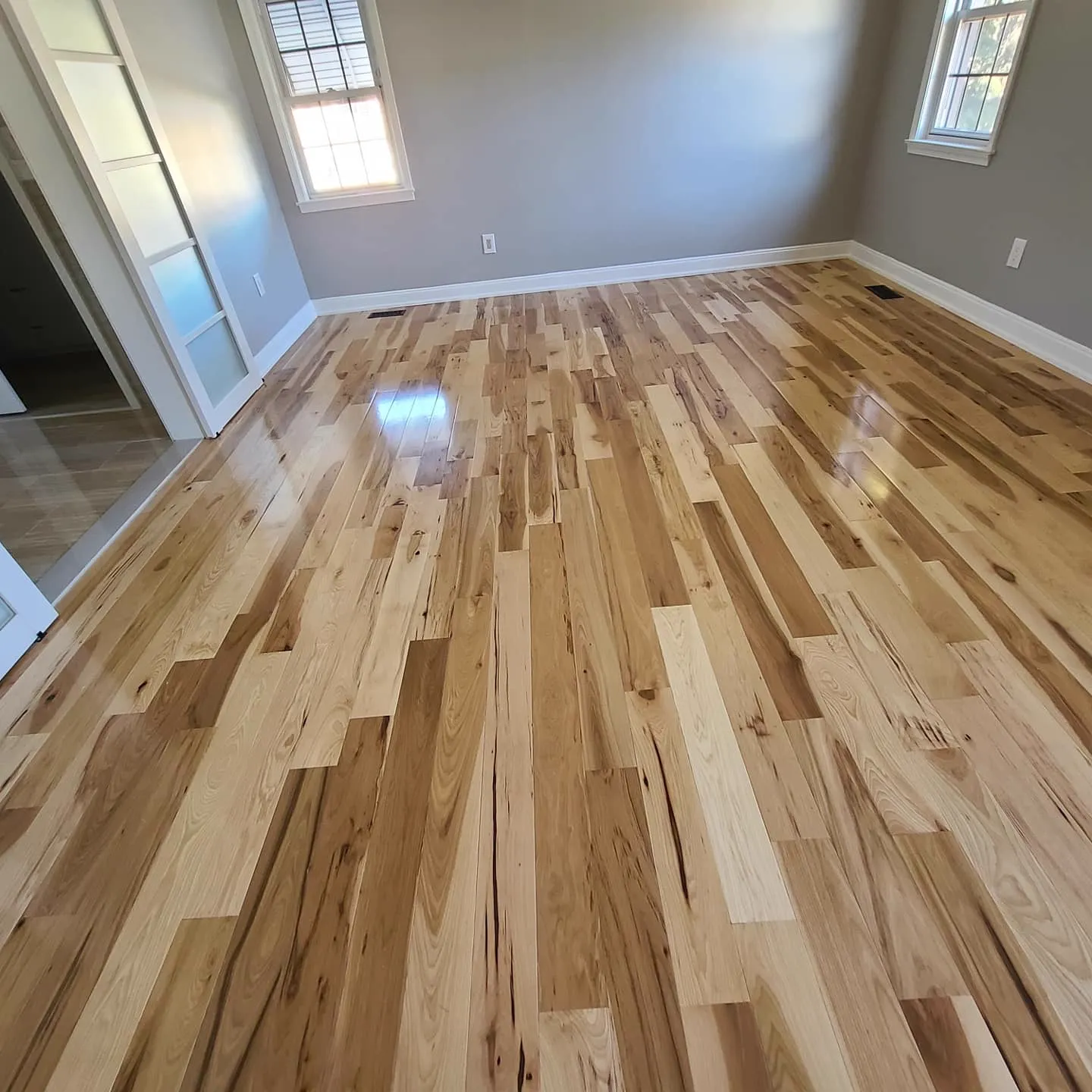
Living room (dry, medium-high traffic, plywood subfloor, long-term). First choice: solid hardwood. Lifetime value, refinishable, real character. Second choice: engineered hardwood. Skip: laminate, LVP (no upside in a dry main living space when you can afford real wood).
Bedrooms (dry, low traffic, plywood subfloor). First choice: solid hardwood for continuity. Budget alternative: premium laminate. Skip: carpet in primary bedrooms.
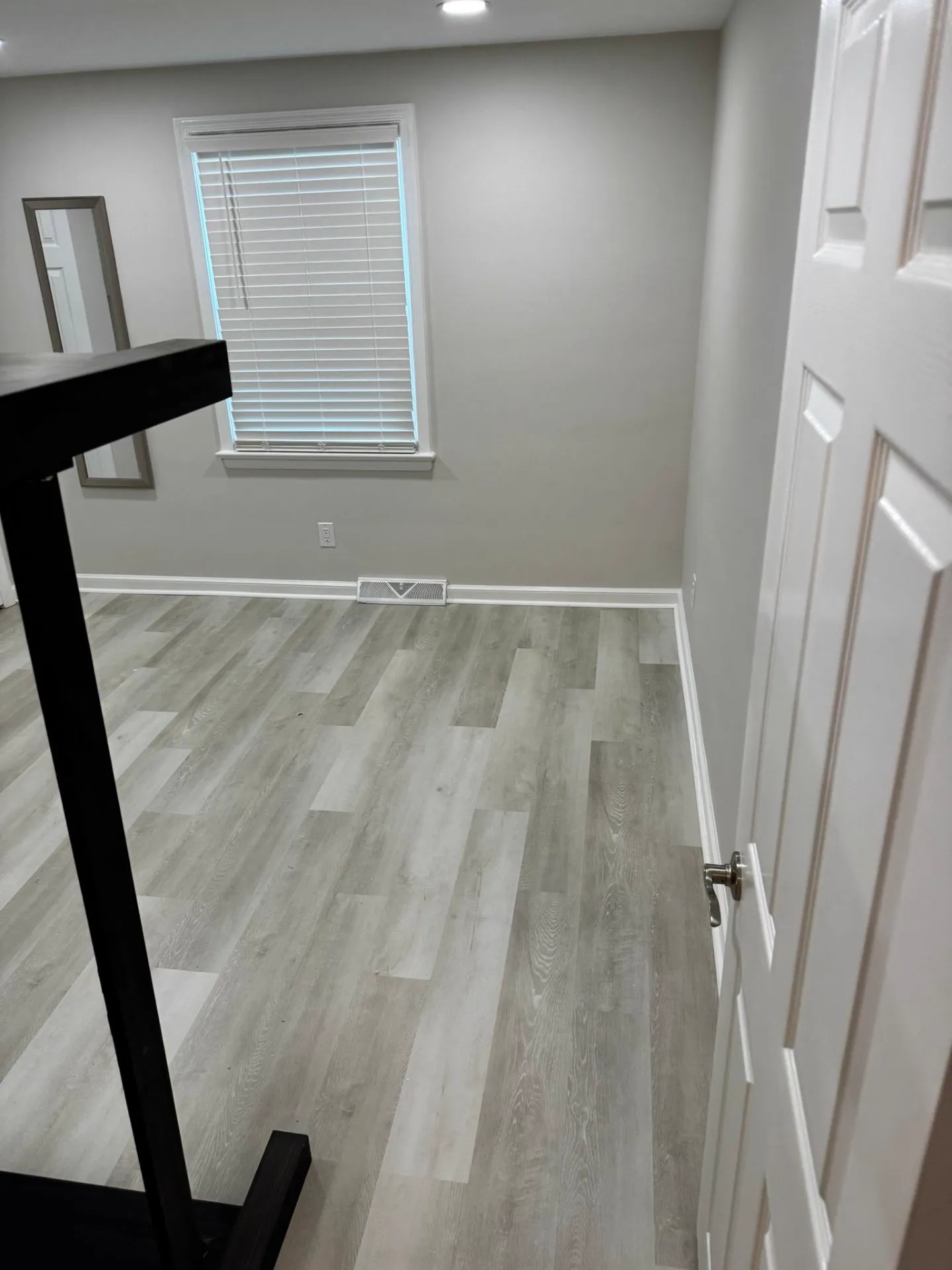
Kitchen (potentially wet, high traffic, often plywood). First choice: luxury vinyl plank. Premium option: porcelain tile. Skip: real hardwood (water risk), laminate (water risk). See vinyl plank vs laminate.
Bathroom (wet, low traffic, often concrete or moisture board). First choice: porcelain or ceramic tile. Budget option: LVP. Skip: anything wood, anything laminate.
Basement (potentially wet, low-medium traffic, concrete subfloor). First choice: LVP. Premium option: engineered hardwood with proper moisture barrier. Skip: solid hardwood (won't survive below-grade humidity).
Mudroom and entryway (wet, dirty, high traffic). First choice: porcelain tile. Second choice: LVP. Skip: hardwood, laminate, carpet.
Stairs (high traffic, often visible from main floor). First choice: match the main floor with hardwood stairs. Skip: LVP or laminate stairs.
Now think about visual continuity
Open-plan homes. The same flooring should run through the entire main level when possible.
Two-story homes. Stairs and second-floor hallway should match (or coordinate with) the main level. Bedrooms can be different.
Color choices. Lighter floors make spaces feel bigger. Darker floors feel formal. Medium tones are most timeless. Don't pick the floor that's trending. Pick the floor that'll look right in five years. See hardwood stain colors for 2026.
The budget reality
Most homeowners can't afford their dream floor in every room. Invest in the rooms that show:
- Main living areas (living, dining, kitchen): premium products
- Bedrooms: mid-tier products acceptable
- Bathrooms: tile (relatively affordable per square foot)
- Basements and utility spaces: budget products
When to splurge and when to save
- Splurge: stair treads, the floor in the room you spend the most time in.
- Save: closets, laundry rooms, rooms you're going to remodel within 5 years.
How to actually start the project
- Make a list of every room you're flooring.
- Apply the room-by-room recommendations.
- Note budget priorities.
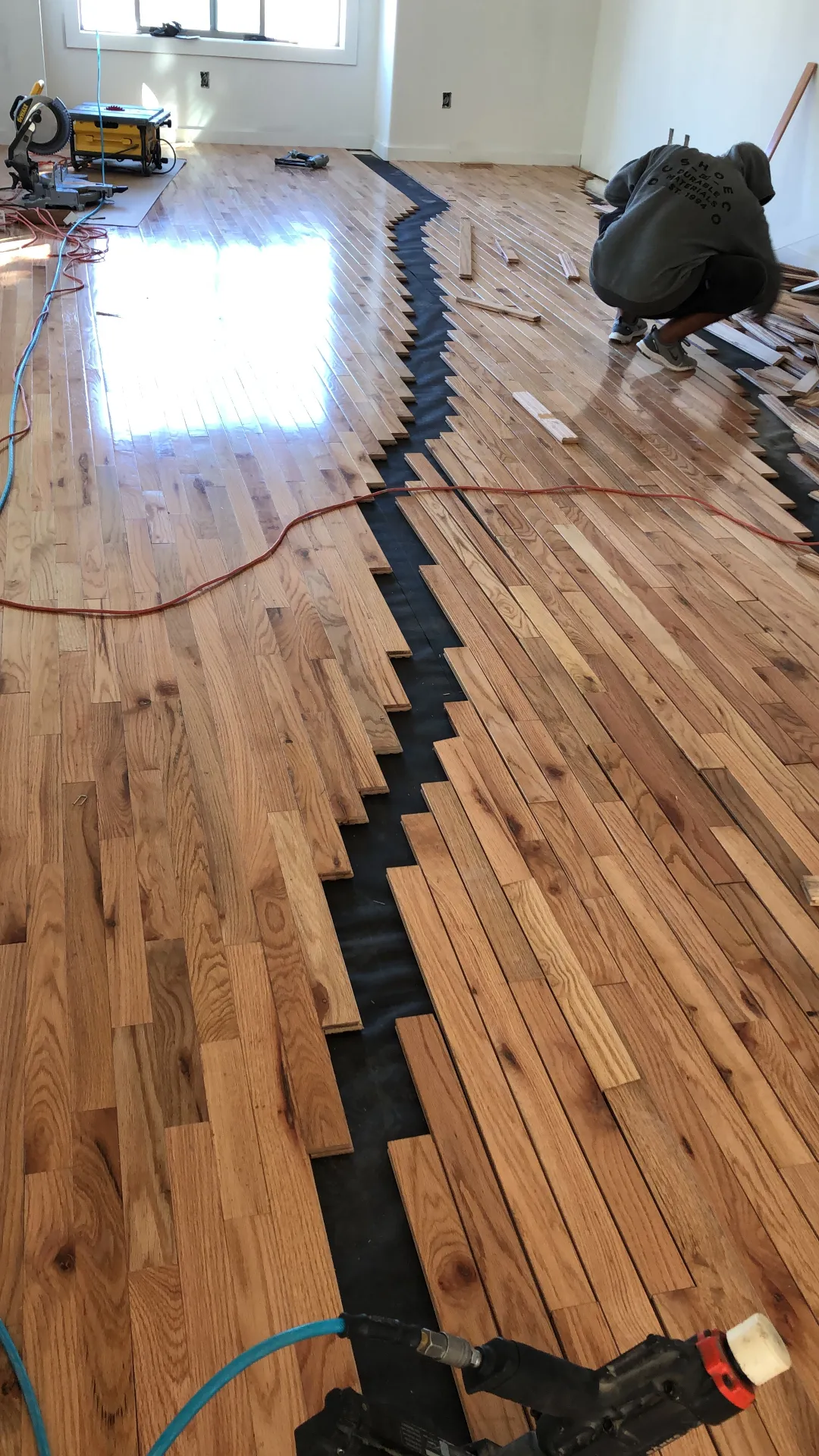
- Get an in-home estimate from a contractor who looks at every room and gives you written recommendations.
Get a room-by-room recommendation
Caio comes out, looks at every room, and tells you what works where. Free in-home estimates across PA, NJ, and DE.
Third-generation flooring craftsman serving PA, NJ, and DE since taking over the family business in 2012. Owner on every estimate and every install.
More about DeSouza Floors →